
Subfloor Moisture Removal
Why Subfloor Moisture Removal Matters in Harris Park
Harris Park’s mix of older homes and newer developments means many properties sit on subfloors vulnerable to moisture buildup. Poor ventilation, plumbing leaks, or rising damp can create a damp environment beneath your floors, leading to timber rot, mould growth, and musty smells that spread through your home or business.
Unlike surface water damage, subfloor moisture often goes unnoticed until it causes visible issues like warped floorboards, peeling paint, or health concerns for occupants. Our team uses moisture meters and thermal imaging to detect hidden dampness, then applies targeted drying solutions to restore safe, dry conditions.
For commercial properties in Harris Park, such as restaurants or storage facilities, subfloor moisture can compromise hygiene standards and structural integrity. We work efficiently to minimise downtime, ensuring your business meets health and safety requirements without prolonged disruption.
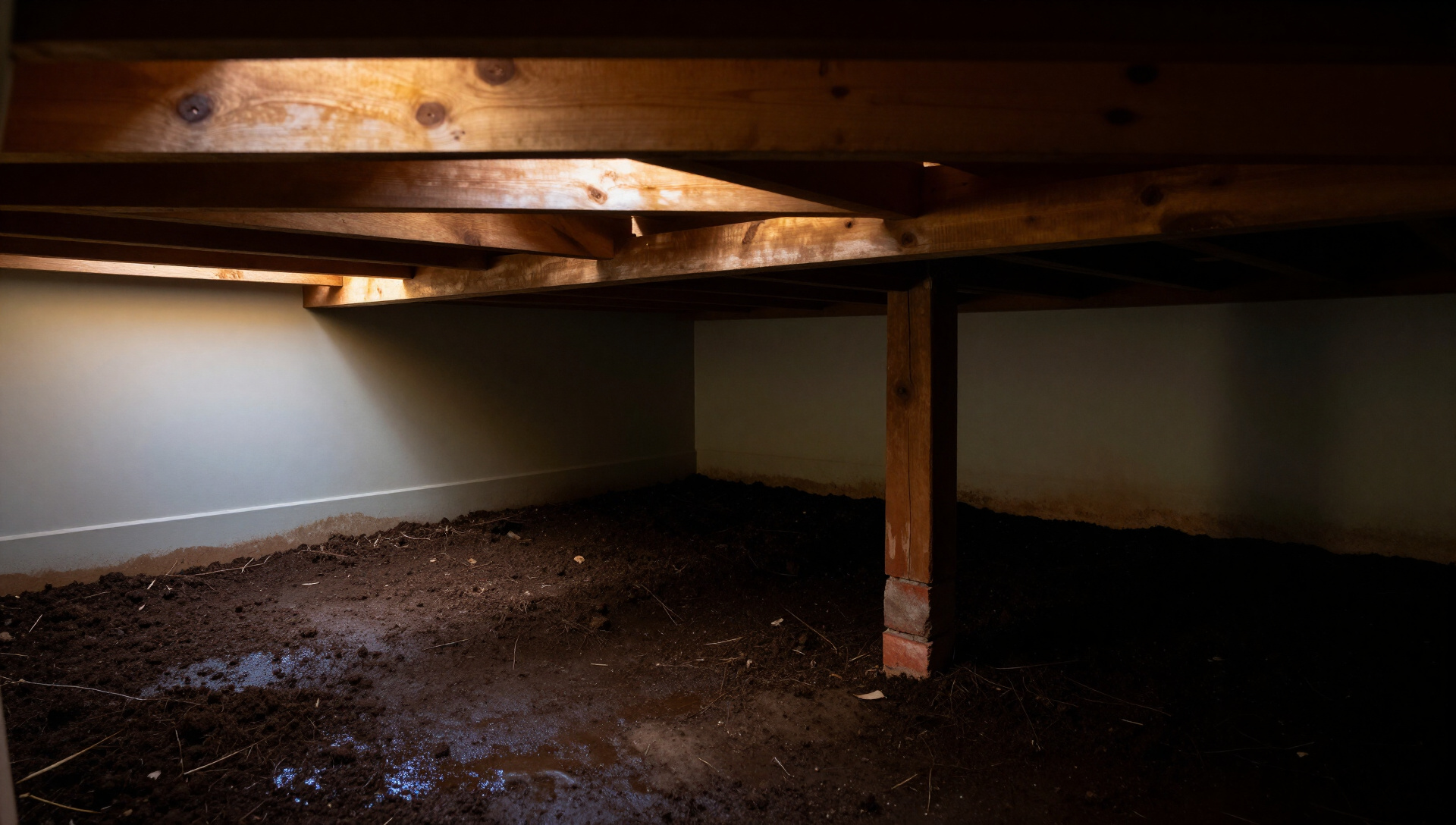
Prevention is key. After removing moisture, we provide practical advice on improving subfloor ventilation, repairing leaks, and maintaining dry conditions to avoid recurring problems.
Signs You Need Subfloor Moisture Removal
Subfloor moisture doesn’t always show obvious signs. Watch for these indicators in your Harris Park property:
- Musty or earthy odours rising from floorboards or vents
- Warped, cupped, or springy timber floors
- Visible mould growth on skirting boards or underfloor joists
- Peeling paint or wallpaper near the floor
- Increased humidity or condensation in lower levels
- Pest activity, such as termites or silverfish, attracted to damp timber
What to Expect From Our Service
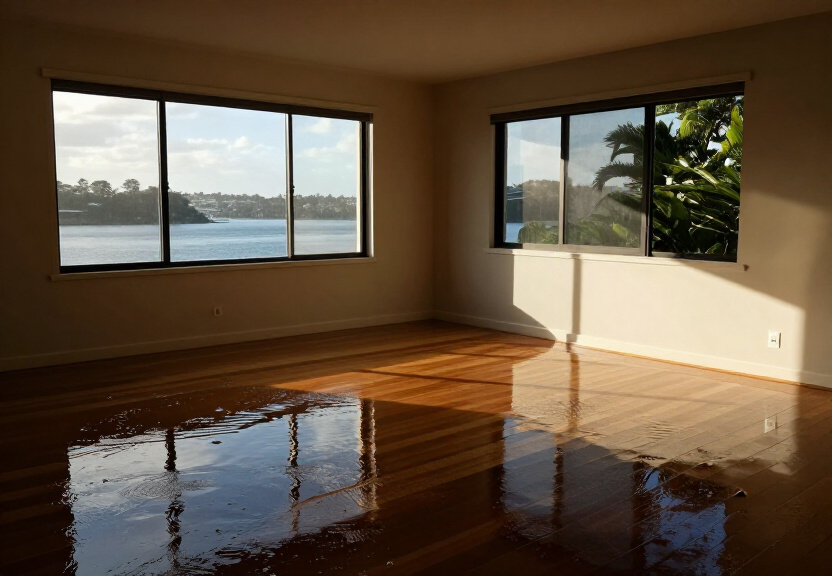
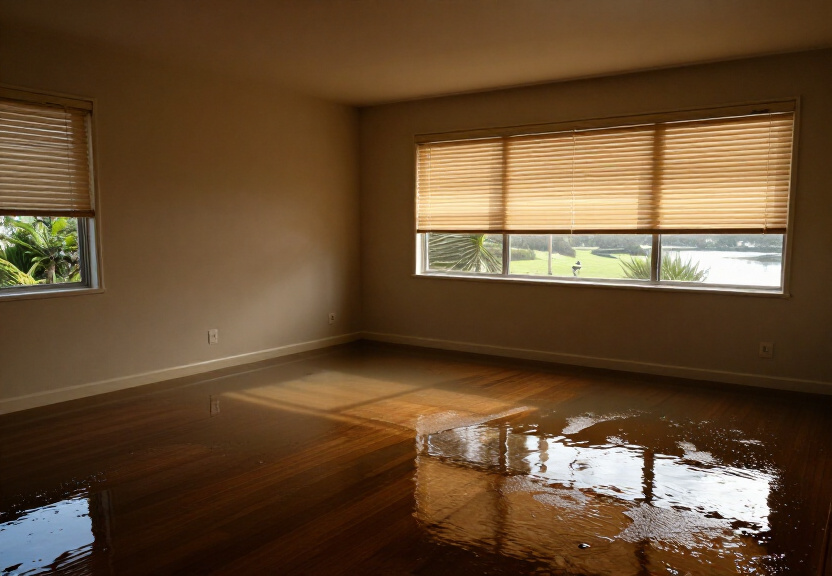
Our subfloor moisture removal process is designed to be thorough, efficient, and tailored to your Harris Park property:
Why Choose Flood Restoration Service Sydney in Harris Park
- Local knowledge of Harris Park’s common subfloor issues and property types
- Same-day or next-day service for urgent moisture problems
- Industrial-grade dehumidifiers and air movers for fast, effective drying
- Non-invasive techniques to minimise disruption to your home or business
- Transparent pricing with no hidden fees
- Follow-up support to ensure moisture levels remain stable
Who We Help in Harris Park
Homeowners
Harris Park’s residential properties, from older cottages to modern homes, often face subfloor moisture due to poor ventilation or plumbing issues. We help homeowners:
- Restore dry conditions under timber or concrete floors
- Eliminate musty odours and prevent mould regrowth
- Protect structural integrity and indoor air quality
Business Owners
For restaurants, retail spaces, and storage facilities in Harris Park, subfloor moisture can impact operations and compliance. Our commercial service includes:
- Rapid drying to meet health and safety standards
- Minimal disruption to daily business activities
- Preventative advice to avoid future moisture issues
Benefits of Professional Subfloor Moisture Removal
Prevent Structural Damage
Excess moisture weakens timber joists and bearers, leading to costly repairs. By removing moisture early, we help preserve the structural integrity of your Harris Park property.
Improve Indoor Air Quality
Damp subfloors contribute to poor air quality, which can trigger allergies or respiratory issues. Our service reduces mould spores and odours for a healthier environment.
Avoid Pest Infestations
Termites and other pests are attracted to damp timber. Drying your subfloor removes the conditions that invite infestations, protecting your property long-term.
Extend Floor Lifespan
Moisture causes timber floors to warp, cup, or crack. Professional drying helps maintain the condition of your flooring, saving you from premature replacements.
Our Commitment to You
We stand by the quality of our work and the effectiveness of our subfloor moisture removal process. Our goal is to leave your Harris Park property dry, safe, and protected from future moisture issues.
Serving Harris Park and Surrounding Areas
We provide subfloor moisture removal services across Harris Park and nearby suburbs, including Parramatta, Granville, Auburn, and Guildford. Whether you’re dealing with a damp subfloor in an older home or a commercial property, our local team is equipped to respond quickly and effectively.
Frequently Asked Questions
The duration depends on the extent of moisture and the size of your subfloor. Most residential jobs take 24 to 72 hours, while larger or more severe cases may require up to a week. We monitor progress closely to ensure thorough drying.
If the root cause isn’t addressed, moisture can return. We identify and advise on fixes for issues like poor ventilation, leaks, or rising damp to prevent recurrence.
Our process is designed to be as non-invasive as possible. We use portable equipment and work efficiently to minimise disruption to your home or business.
Yes. After drying, we provide practical recommendations, such as improving subfloor ventilation, installing vapour barriers, or repairing plumbing leaks, to keep your subfloor dry.
Absolutely. We use specialised dehumidifiers and drying techniques to extract moisture from concrete slabs, ensuring a dry foundation for your property.
Signs include musty odours, warped floors, mould growth, or increased humidity. If you suspect a problem, we can conduct a moisture inspection to confirm and address the issue.
What Harris Park Locals Say
"The team arrived the same day and dried our subfloor quickly. The musty smell is gone, and our floors feel solid again. Highly recommend their service."
"Our restaurant had a damp subfloor that was affecting hygiene. They fixed it fast with minimal disruption to our operations. Great local service."
"I didn’t realise how bad the moisture was until they showed me the readings. Their drying process worked perfectly, and they gave us tips to prevent it happening again."
Related Services in Harris Park
Water Damage Restoration
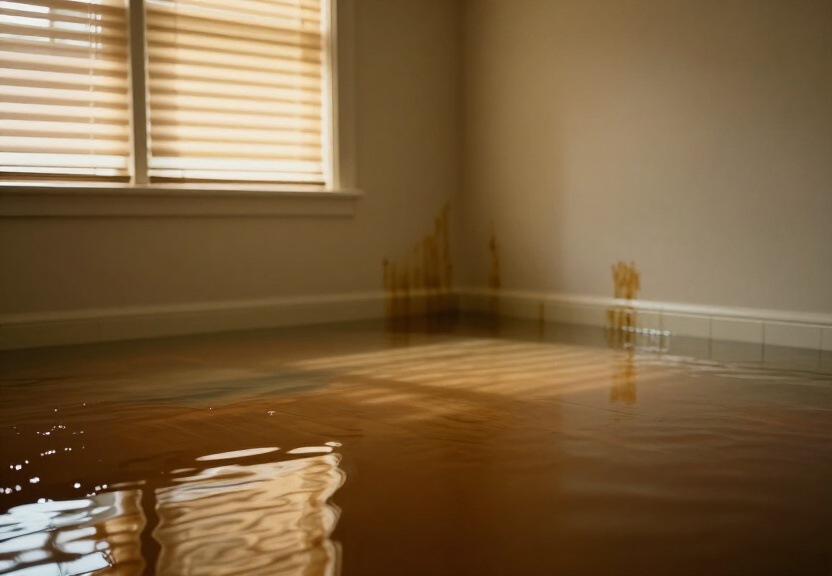
Water damage restoration brings the property back to a safe, habitable state by assessing affected materials and managing the full drying and repair plan. From water-impacted finishes to documentation needs, the service supports a complete recovery approach.
Learn More →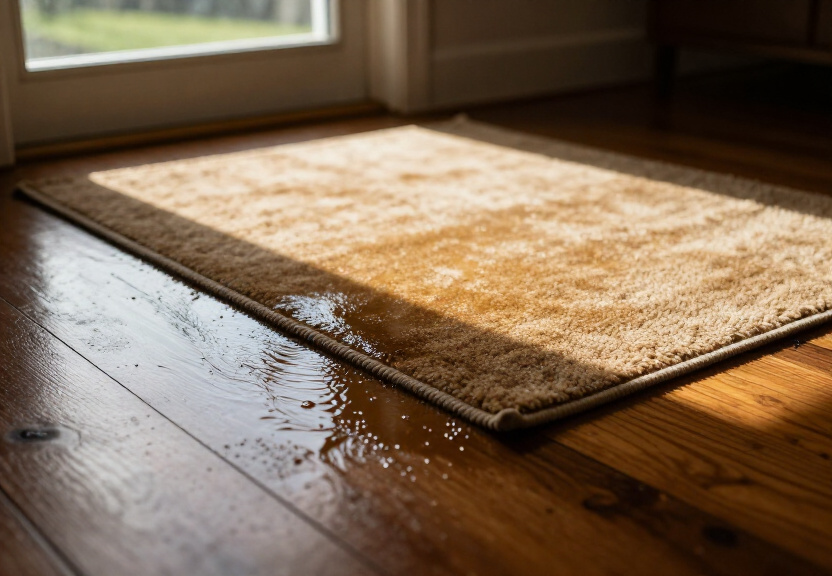
Wet Carpet Drying
Wet carpet drying repositions affected flooring, extracts surface water, and dries fibres and backing without unnecessary reinstallation. Controlled airflow and dehumidification help minimise shrinkage, staining, and persistent dampness that can lead to odours.
Learn More →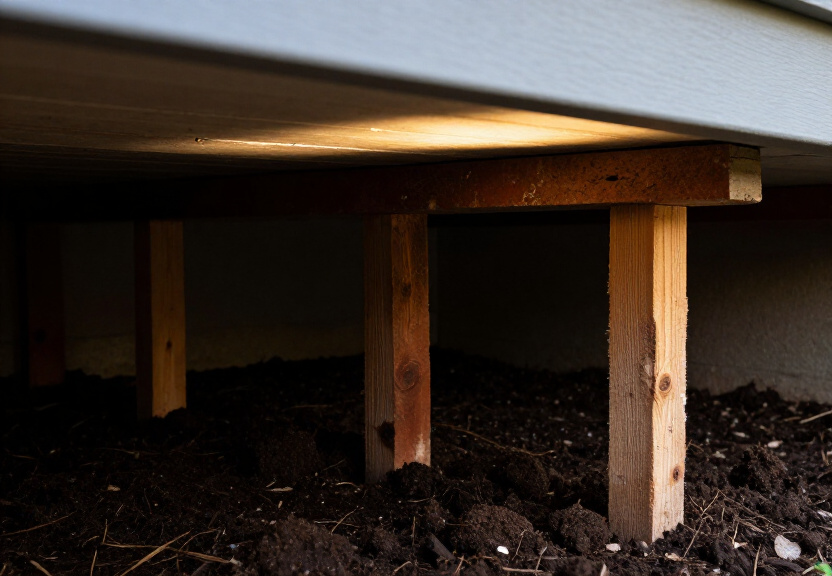
Subfloor Moisture Removal
Subfloor moisture removal tackles dampness beneath flooring where water can pool or wick into timber and other materials. Controlled extraction and drying help protect structural elements and minimise ongoing odour or mould problems.
Learn More →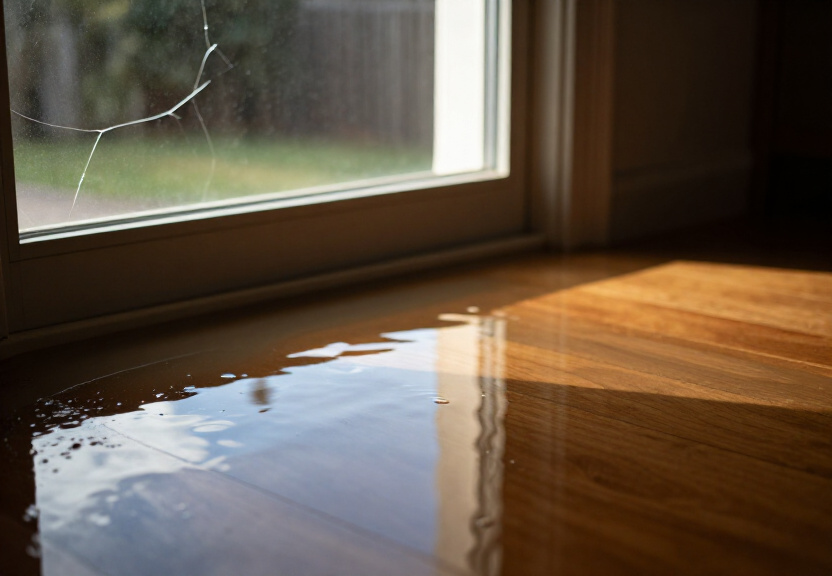
Water Extraction And Removal
Water extraction and removal quickly removes floodwater using appropriate pumps and extraction equipment. Removing bulk water early reduces damage, limits contamination spread, and accelerates the subsequent drying stage for faster recovery.
Learn More →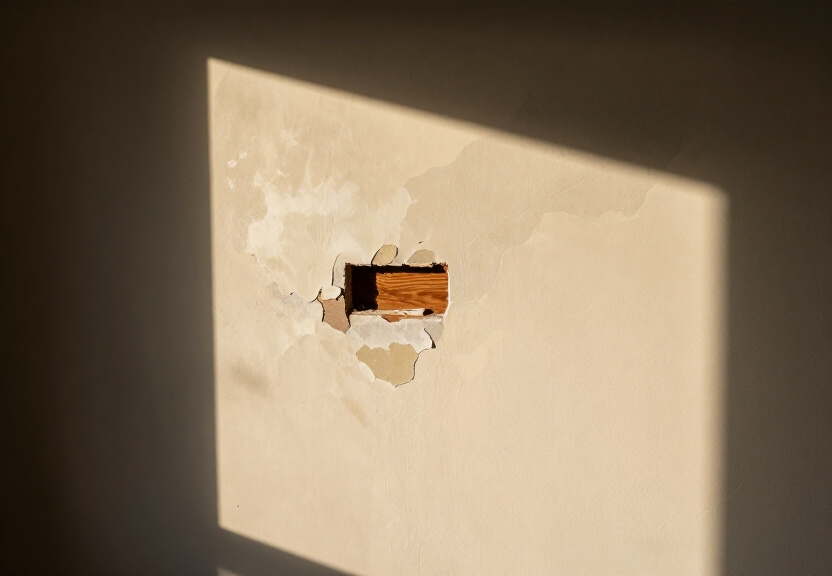
Structural Drying
Structural drying restores building materials to safe moisture levels using calibrated air movers, dehumidification, and continuous monitoring. This reduces risks like swelling, paint failure, and hidden microbial growth inside walls, floors, and roof spaces.
Learn More →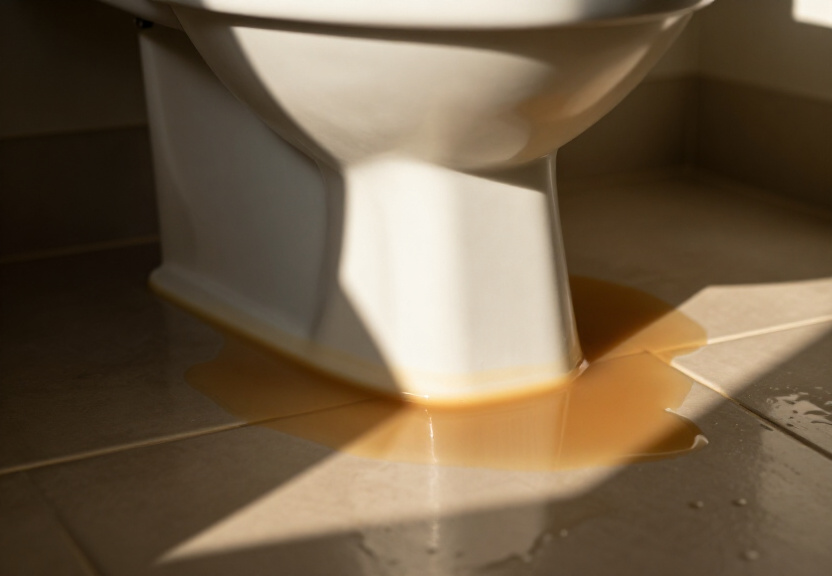
Sewage Cleanup
For contaminated water incidents, sewage cleanup includes removal of soiled residues and thorough disinfection of impacted surfaces. The workflow focuses on health and hygiene, reducing contamination risk while preparing areas for controlled drying and restoration.
Learn More →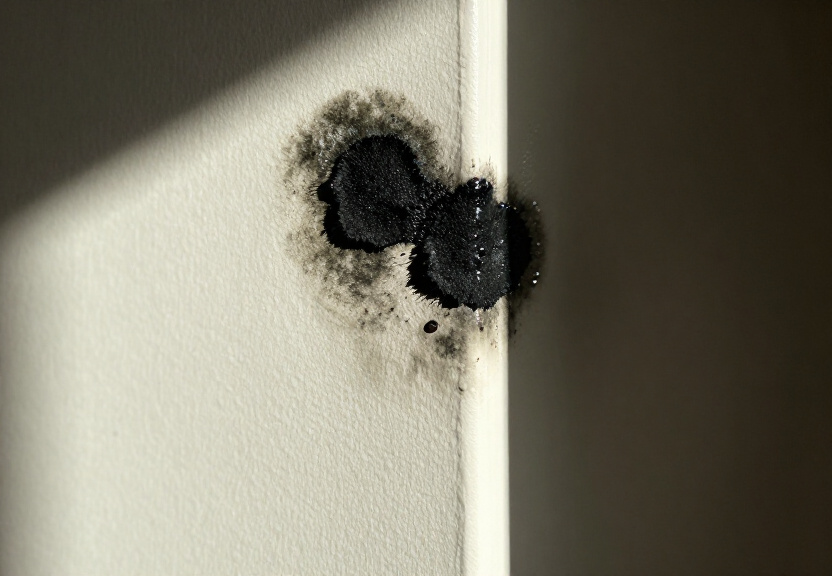
Mould Removal
When mould colonies have formed, mould removal isolates the affected areas and removes contaminated materials safely. After extraction, the space is sanitised so surfaces are ready for drying and rebuild, restoring a cleaner indoor environment.
Learn More →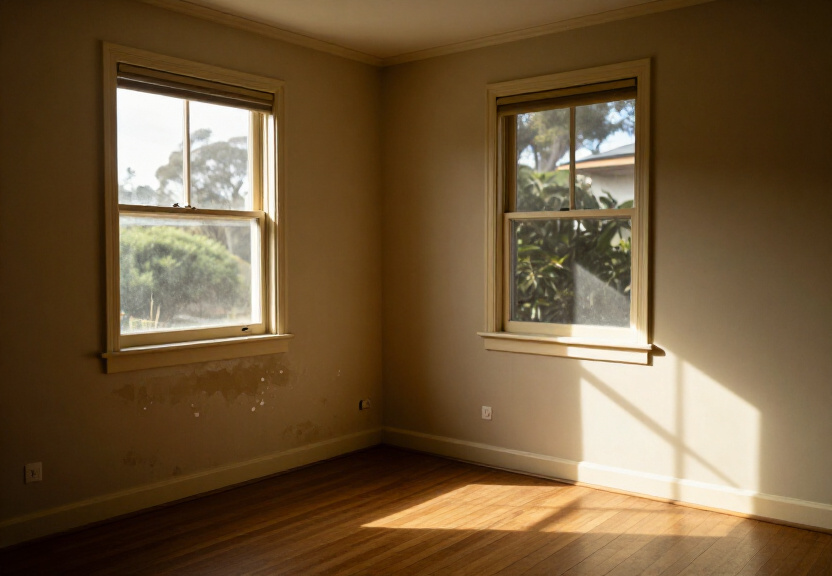
Odour Removal
Persistent flood odours from contaminated finishes and trapped moisture are addressed with targeted odour removal. We use odour control methods designed to neutralise lingering compounds, helping eliminate musty smells rather than simply masking them.
Learn More →
Mould Prevention Treatment
After floodwater recedes, apply mould prevention treatment to affected ceilings, walls, and concealed voids where spores can take hold. The process targets damp substrates and helps reduce the chance of recurring growth while restoration works proceed.
Learn More →